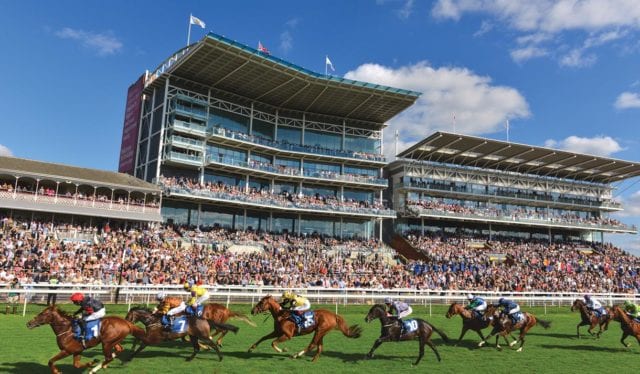

Looking for the Chepstow and the best horse racing betting tips for today’s racing? You have come to the right place. We have also highlighted the best offers so you can get the maximum value for your betting.
15:43 Chepstow
2m3 f (2m3f100y) DragonBet Persian War Novices' Hurdle (Grade 2) (GBB Race) (Class 1) (4yo+)
| Horse | Odds | Runner verdict |
|---|---|---|
| Cosmic Connection | 6/5 | Irish point winner with a strong 3-4 strike rate over hurdles, including a valuable novice handicap win at Sandown. Step up in trip should suit, making him a progressive and respected contender. |
| Lord Byron | 3/1 | Four-year-old with solid recent form including a close second last time. Trainer has a 36% strike rate and jockey 29%, suggesting potential for improvement in this step up in trip. |
| North Shore | 6/1 | Four-year-old with a recent win and consistent form. Trained by Dan Skelton with a 31% strike rate, ridden by Harry Skelton. Data-led scoring highlights him as a strong contender at a fair price. |
| La Cote Fleurie | 8/1 | Five-year-old mare with a good recent winning sequence including a 1-3 record this season. Trainer Henry De Bromhead has a 63% strike rate, indicating strong form and potential to handle this trip. |
| Lock Stock | 12/1 | Six-year-old with back-to-back wins recently, showing improvement. Trainer has a 56% strike rate and jockey a 25% strike rate, suggesting he could continue his upward trajectory. |
| Le Moulin Rouge | 16/1 | Five-year-old with a recent win and placed efforts. Trainer Paul Nolan has a 38% strike rate, indicating potential to perform well despite longer odds. |
| West Hill Verde | 28/1 | Six-year-old with consistent placed efforts but no wins recently. Trainer has a 67% strike rate but this horse has yet to capitalize, making him a less likely winner. |
| Chicker | 50/1 | Five-year-old with limited recent form and long odds. Trainer has a moderate strike rate but this horse appears outclassed in this field. |
| Hopeful Hero | 100/1 | Five-year-old with a recent win but overall low ratings and long odds suggest he is unlikely to feature prominently here. |
| Handmedownastar | 66/1 | Six-year-old with a win in recent starts but overall low ratings and long odds indicate limited chances at this level. |
| Obsessedwithyou | 80/1 | Seven-year-old mare with some placed efforts but no recent wins and long odds, making her an outsider in this competitive race. |
Race verdict
North Shore stands out as the most compelling option in this competitive novice hurdle. Backed by strong recent form, a supportive trainer-jockey combination, and data-driven scoring, he offers a balanced blend of potential and value at 6/1. His profile suggests he can handle the step up in trip and conditions well.
North Shore appeals because four-year-old with a recent win and consistent form. The 6/1 price adds enough appeal for a win-only bet.
 BACK THIS RACE TIP HEREBET 10 GET 30 IN FREE BETS
Today’s Horse Racing Top Odds Boosts


Horse Racing Tips

Kempton Horse Racing Tips: Friday, 9th October 2026

Dundalk Horse Racing Tips: Friday, 9th October 2026
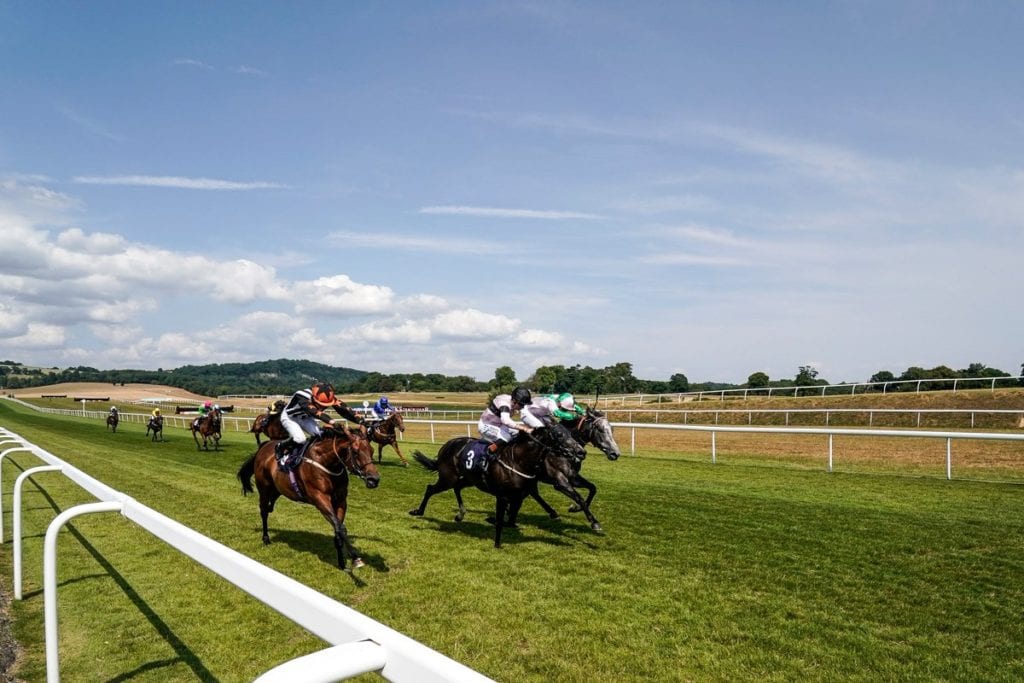
Chepstow Horse Racing Tips: Friday, 9th October 2026
Chepstow Racecourse: Home of the Welsh Grand National & More
Set amidst the rolling hills of Piercefield Park in Monmouthshire, Chepstow Racecourse is one of the most storied venues in the Welsh sporting landscape. Since hosting its inaugural fixture in 1926 before a crowd of 20,000, Chepstow has grown into a dual-purpose track of national significance, most famously known as the host of the Welsh Grand National — a gruelling mid-winter test of stamina and jumping ability.
Course Layout & Track Characteristics
Flat Racing
- Direction: Left-handed
- Circuit Length: Approximately 2 miles
- Surface: Turf
- Undulations: Pronounced; not a galloping track in the traditional sense
- Run-in: 5 furlongs
- Straight Course: Used for races up to 1 mile
Despite its generous straight and overall length, Chepstow’s undulations dominate proceedings, meaning stamina plays a significant role even on better ground. Horses who have proven ability over a trip or on similarly testing courses (like Epsom, Beverley, or Hamilton) tend to fare better.
The straight mile is a notable feature and can ride quite tough in strong headwinds or soft ground, especially when the field splits and pace collapses late. It tends to suit handy types or those with experience of rolling tracks.
National Hunt Racing
- Direction: Left-handed
- Circuit Length: Just under 2 miles
- Undulating: Yes – significant rises and falls
- Chase Fences per Circuit: 11
- Home Straight: Around 5 furlongs with 5 fences
- Run-in: 250 yards
Chepstow’s jumps track is as brutal as it is beautiful. The five-furlong home straight climbs steeply, features five fences, and begins with a slight downhill run into the obstacles — a layout that often catches out tired horses and fading leaders.
The Welsh Grand National, held around the turn of the year, is the signature contest, almost always run in deep winter ground that magnifies the test of stamina. The track favours:
- Staying types with proven heavy ground form
- Bold-jumping front runners, particularly those able to lead into the home bend
- Horses with course form, as the track demands balance and experience
Those who turn for home in a good rhythm tend to finish strongest, though the final two fences often act as the race’s tipping point. The complexion of a race can change quickly here, especially in long-distance chases, and it’s common to see horses make up several lengths late if the leaders falter.
Key Races at Chepstow
- Welsh Grand National (Grade 3 Handicap Chase) – December
The standout contest of the year, it regularly attracts Cheltenham Festival hopefuls and Grand National trialists. Previous winners include Native River and Elegant Escape. - Persian War Novices’ Hurdle (Grade 2) – October
A key early-season pointer for top novices, often run on soft autumn ground. - Silver Trophy Handicap Hurdle (Listed) – October
Competitive staying handicap that serves as a stepping-stone to major winter hurdles.
Chepstow also plays host to season-opening jump fixtures in October, often marking the first serious test of the winter jumps campaign for top yards.
Tactical Betting Guide
- Flat Racing Tips:
Back horses with proven stamina even over middle distances. Agile, well-balanced runners are favoured due to the terrain. In races on the straight course, pace position is critical — look for those who can travel handily and quicken over a stiff final two furlongs. - National Hunt Tips:
On soft or heavy ground, assume only thorough stayers will be in contention late.
Front-runners or pace trackers are favoured in chases, but late closers can pounce if the pace collapses after the final bend.
Watch out for previous course winners — Chepstow is a rhythm-based track that rewards familiarity. - Trainer Trends:
- Welsh trainers often aim their better winter horses here.
- Paul Nicholls frequently targets the Persian War and Welsh Grand National card.
- Young horses having their first chase start here are worth noting — particularly if trained by powerful yards like Nicholls, Henderson, or Tizzard.
A Racecourse With Broad Appeal
Beyond its racing calendar, Chepstow has evolved into a modern venue for live music, conferences, and private events. Its location near the Severn Bridge ensures accessibility from both Wales and the West of England, while its scenic setting continues to charm punters and participants alike.
The racecourse has maintained the balance between historical legacy — pioneered by local aristocrats in the 1920s — and forward-looking operations. Its continual popularity is underpinned by its fair yet demanding layout, season-defining contests, and a loyal Welsh following that turns out in numbers for its premier fixtures.