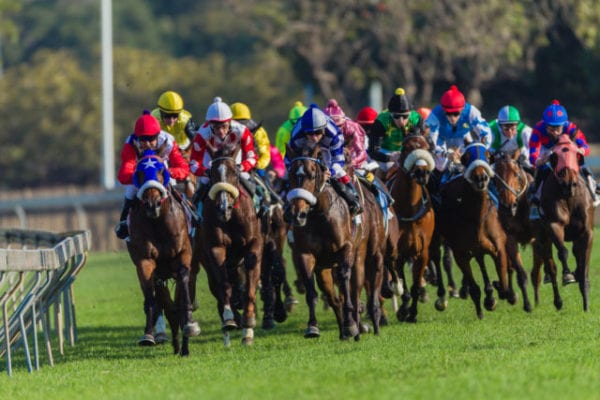

Are you looking to place bets at Bath racecourse today? Enjoy the day racing at Bath racecourse and good luck!
15:15 Bath
1m6f British Stallion Studs EBF Beckford Stakes (Listed Race) (Fillies & Mares) (GBBPlus Race) (Class 1) (3yo+)
| Horse | Odds | Runner verdict |
|---|---|---|
| Brilliant Star | 6/4 | Consistent this season with three wins from six starts; recent Bath handicap win over 11.6f suggests this step up to 1m6f could suit and she may improve further. |
| Pierian | 4/1 | Strong form including a Ribblesdale fourth with the best speed figure in this Listed contest; trainer William Haggas has a solid strike rate here. |
| Venetia | 11/2 | Placed in recent runs with a solid RPR of 107; trained by Ralph Beckett who has a good strike rate at this course. |
| Alla Stella | 9/1 | Consistent without a win this season but posted a joint-highest Racing Post Rating over 1m4f; step up in trip may unlock improvement. |
| Lady Vivian | 12/1 | Has shown consistent form with a RPR of 111; jockey James Doyle rides with a strong strike rate at Bath. |
| Little Dorrit | 7/1 | Four-year-old with solid recent form; trainer Roger Varian has a moderate strike rate but the filly has a good RPR of 109. |
| Peace Belle | 20/1 | Five-year-old mare with consistent placed efforts but no wins at this level; trainer Jennie Candlish has limited success at Bath. |
| Miss Dolly Rocker | 40/1 | Six-year-old mare with patchy form; some decent RPRs but no recent wins and trainer has no wins at Bath. |
| Orchard Keeper | 28/1 | Five-year-old mare with some placed efforts; trainer Roger Varian has a moderate strike rate but form lacks standout wins. |
| Dojin | 40/1 | Four-year-old filly with inconsistent form and low RPR; trainer S Woods has limited success at Bath. |
| Aravalli | 100/1 | Long odds but selected by data-led scoring from strongest race and profile signals; offers value for a win-only bet despite lack of recent wins. |
| Littlecote | 50/1 | Three-year-old with modest form and low RPR; trainer Andrew Balding has a low strike rate at Bath. |
| Personal Best | 33/1 | Four-year-old with some placed efforts but no wins at this level; trainer Jonathan Portman has limited success at Bath. |
Race verdict
The verdict is with Miss Dolly Rocker. Miss Dolly Rocker appeals because six-year-old mare with patchy form. That makes Miss Dolly Rocker the runner to side with in the win market.
Miss Dolly Rocker appeals because six-year-old mare with patchy form. The 40/1 price adds enough appeal for a win-only bet.
 BACK THIS RACE TIP HEREBET 10 GET 30 IN FREE BETS
Today’s Horse Racing Top Odds Boosts


Horse Racing Tips
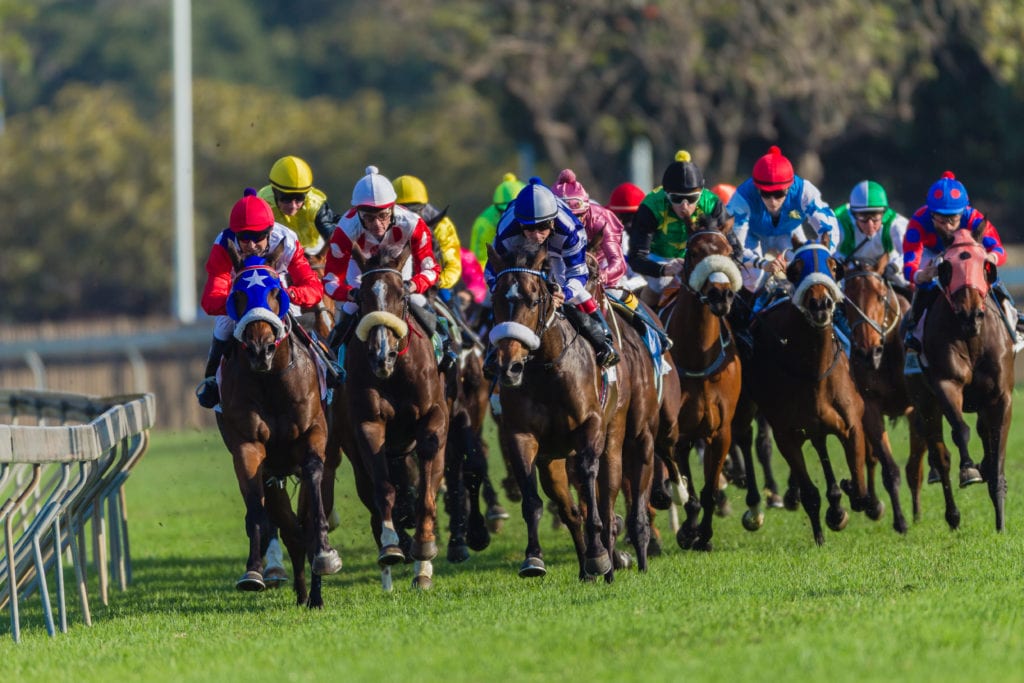
Southwell Horse Racing Tips: Thursday, 8th October 2026
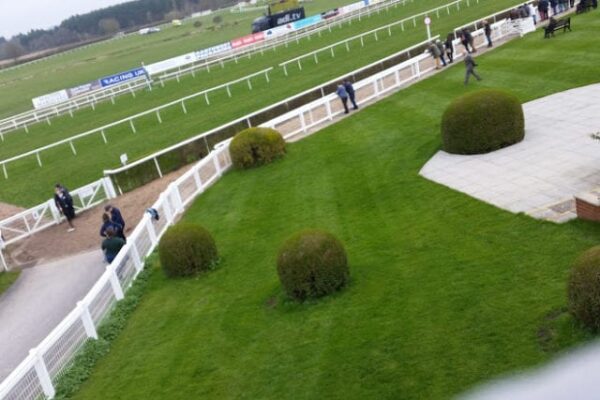
Market Rasen Horse Racing Tips: Thursday, 8th October 2026
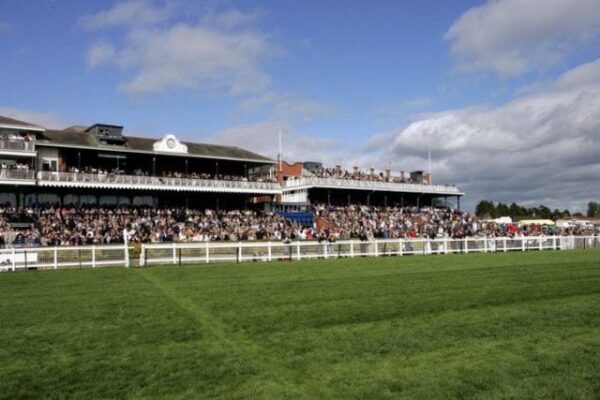
Ayr Horse Racing Tips: Thursday, 8th October 2026
Bath Racecards, Today’s Tips & Predictions for Racing at Lansdown Hill
Bath Racecourse is a truly distinctive venue in British Flat racing, standing high above the historic city on Lansdown Hill. At 780 feet above sea level, it proudly holds the title of the highest Flat racecourse in the UK. This elevated position, coupled with its unique layout and typically firm ground conditions, makes for a racing experience unlike any other on the calendar. For punters looking for today’s tips at Bath, or those analysing Bath racecards and predictions, a deep understanding of the course characteristics is essential.
A Historic and Specialist Track
Bath has been staging horse racing for close to 300 years, making it one of the oldest tracks in the country. The course itself is left-handed and galloping, with a distinctive kidney-shaped circuit that means runners are nearly always negotiating a bend. This can lead to unusual race dynamics, particularly for horses that struggle to handle turns or require long straight sections to fully unwind.
The layout, measuring just over twelve furlongs, features an elongated oval with a home straight of nearly half a mile. However, despite the seemingly generous run-in, the finish climbs steadily to the post, punishing those who commit too early. Horses often appear to be travelling well two furlongs out, only to fade late as the hill takes its toll.
This track configuration tends to favour course specialists — horses with the agility to corner tightly and the stamina to see out the rising finish. As such, analysing past performances at Bath is a key component in accurate Bath racing predictions.
Ground Conditions and Track Bias
Owing to its elevation and the absence of an artificial watering system, Bath is notorious for firm ground, particularly in dry spells. This can amplify front-running bias, as horses with early pace often find it easier to skip clear and hang on, especially if their rivals are struggling on the quick turf or losing momentum around the final bend.
Punters reviewing Bath racecards today should look for proven performers on fast ground and those with prior experience of the track. Horses that are nimble and travel fluently on rattling-fast surfaces often find an edge here.
Betting Angles and In-Running Challenges
From a tactical perspective, today’s tips for Bath races often lean towards front-runners or prominent racers. The sharp turn into the straight is an ideal launchpad for speedier types, especially those who can “rail” around the bend efficiently. Conversely, hold-up horses face a dual challenge: navigating traffic around the home turn and then making ground up the incline to the finish.
It’s also worth noting the course’s unusual camera angle during live broadcasts — the straight is viewed head-on from about two furlongs out to the finish. This can be deceptive for in-running bettors, as judging distance and progress becomes difficult, often leading to false assumptions about a horse’s position or momentum.
Feature Races and Notable Winners
The standout event on the Bath calendar is the Listed Lansdown Fillies’ Stakes, typically run in April over five furlongs. Open to fillies and mares aged three and up, it attracts high-quality sprinting types and has a strong record of unearthing future stars. One of the most famous winners was Cassandra Go, who took the race in 2000 before landing the Group 2 Temple Stakes and the Group 2 King’s Stand at Royal Ascot.
Another notable alumnus is Kind, who finished third in the 2005 renewal and later achieved international renown as the dam of the unbeaten legend, Frankel.
For those assessing predictions for Bath, the Lansdown Fillies’ Stakes often provides a good barometer of early-season sprinting talent. Horses that excel here tend to have genuine speed and quick ground preference — two traits that are consistent winning themes across Bath’s fixture list.
Summary for Punters: Key Insights for Bath Race Tips
When examining Bath racecards today, or refining Bath racing tips and predictions, the following considerations are crucial:
- Ground conditions: Generally firm; look for horses proven on quick surfaces.
- Course layout: Left-handed with constant turning; suits agile, well-balanced runners.
- Front-runner bias: Early pace often rewarded, particularly in sprints.
- Stiff finish: Stamina still required; flashy travellers can be caught late.
- Course form: Strongly advantageous due to the track’s idiosyncrasies.
- Camera angles: In-running betting can be misleading — proceed with caution.
Whether you’re eyeing the feature races or studying the lower-grade handicaps, Bath’s high-altitude challenge demands a specialist approach. With its historic quirks and strategic complexities, success here often belongs to those who plan with precision — both in the saddle and in the betting ring.